Meditation on the Breath of God
The small Christian community that I am part of regularly meets a few times a week in various forms. This past week, we gathered in the coziness of a friend’s house, shared some tea, and spoke about what it means to bring Jesus to the world; we discussed the concept of mission; we listened to, and prayed for, a young person who is about to leave on a short-term missions trip; and we laughed at their mischievous cats.
Held within the conversation was a phrase that we’ve said before, one that was not new to us and yet continues to be crucial in shaping our approach to living as followers of Christ out in the world. It is simply, we breathe Christ in, alone and together, and we breathe Christ out into the world.
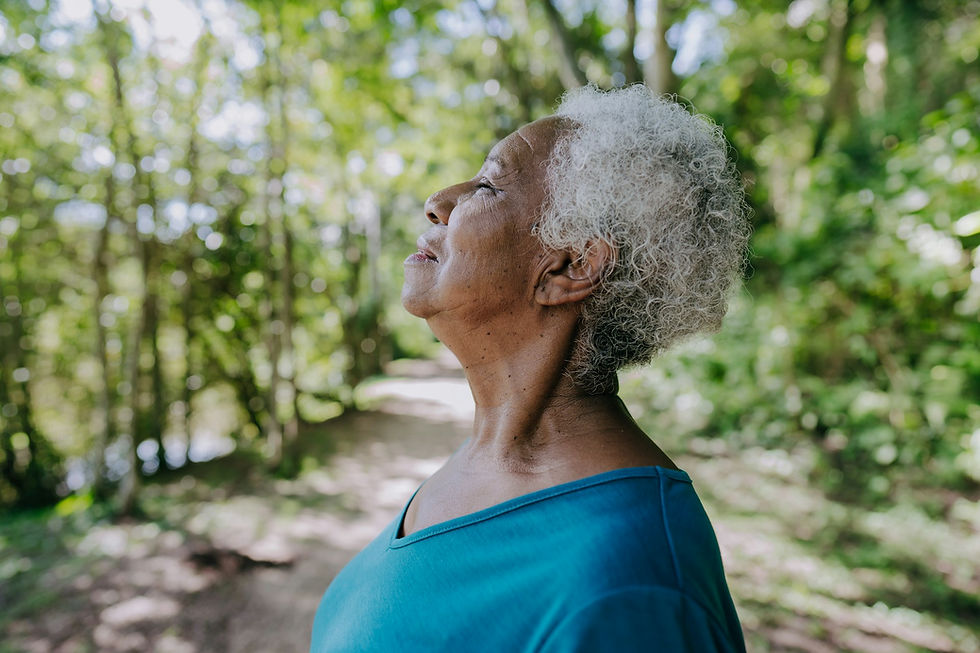
My wanderings lead me to ponder what might the Church, our towns and villages, and indeed the world, look like if more people were to live with intent and dwell and recline with Jesus, and to simply breathe him in; to pray and breathe him in; to serve each other and breathe him in. And then in turn, to head out into the highways and byways, our places of work and places of play, to release and breathe out what we have received as a truly sacred gift, into the world.
The Breath of God is a central and continual theme we find, not only all the way through scripture, but deeply woven into the fabric of the natural world. It almost seems impossible to accurately articulate, there are many synonyms for the breath, and numerous interpretations and translations.
Whether we’re speaking of breath or Spirit/Ruach (Hebrew), or the presence of God, we can be certain that what’s involved is energy, movement, and creating. All are elements of the essence of who God is and what He’s up to. And let’s be honest, whatever God is up to, that’s exactly where we want to be and what we want to be doing.
Ruach is often the Hebrew word when we read the English ‘Spirit’ but also for ‘wind’ and ‘breath’. However, the ‘breath of life’ that God breathes into the nostrils of Adam in the book of Genesis is the Hebrew ‘nishmat chayyim’. Upon further investigation it appears that many scholars agree that the two can be interchangeable in their use. Whatever we read into it, the breath of God brings life, it is a life-giving source.
At the dawn of the world as we know it, God created; He saw that it was good, blessed us with His life-giving breath. God is indeed sovereign, truly holy and divine; God is love; God is all authority; God is all of this and so much more……God is the very source of all life.

In the story of Job, the despairing, yet eternally faithful and resilient protagonist declares,
The spirit of God has made me,
and the breath of the Almighty gives me life. (33:4)
Where there is breath, wind, Spirit, there is love, creation and the movement of God, and there is life! And as the people of God, we are called to do the same. Breath of God in us as a life-source, propels us to breathe out, joining God in the mission of creation and re-creation, bringing life where there has been de-creation.
The prophet Ezekiel is led by the Spirit (movement) to a valley full of dry bones. He walks back and forth through them. God extends the command to prophesy to the bones (inviting him to join God in His work of restoration and re-creation). He tells Ezekiel to say to bones: I will make breath enter you and you will come to life. And later: This is what the Sovereign LORD says: Come, breath, from the four winds and breathe into these slain, that they may live.
Just like the prophet being invited in to participate in the restoration of Israel, Jesus humbly walks the shoreline and invites a few dishevelled fishermen to follow him. He tells them, they are going to see and participate in great things. Then later still, he says that he is sending them out in same way that the Father sent him, another rescue of humankind.
So, here’s the pattern: God breathes and life happens. We need to continually breathe this life-giving source in, to nourish, replenish and restore our thirsty souls; and then we breathe what we have received out in our world, in a sacred ebb and flow.
Simply put, God breathes and God creates; some people listen and receive, whilst others take the path of de-creation (anything that opposes the lifegiving, loving essence of God’s presence and nature). God begins a mission to re-create, heal, restore, and renew, and He invites us to join Him.
John the Beloved was a man who reclined on the chest of Jesus, who heard the heartbeat of God. He writes of a time when Jesus breathes on the disciples, a holy breath to receive the Holy Spirit. This impartation of a new creation is reminiscent of God the Creator and Adam. There is new life, a new covenant, coming from the only source of divine authority. Jesus moves from being the ‘sent one’ to the ‘sender’, and regeneration begins.
May you breathe deeply from Jesus these troubled days. May you know what it is to recline with him, to have your soul nourished by him. And with the yoke that easy and the burden that is light, may you breathe Christ our into a waiting world.
One of my favourite singers at the moment is Nick Mulvey. He has a recent tune called Holy Days, with the line, These are hard, these are heavy, Holy days. They indeed are, and so it’s never been more crucial to enter the sacred ebb and flow of the Breath of God.
Shalom.
"I am a hole in the flute that the Christ's breath moves through. Listen to this music."
- Hafiz
Jon Timms
Joint CEO, Rural Ministries


Comments